
Put simply, dissociation is a psychological escape when ptsd and alcohol abuse no physical escape is possible (Putnam, 1991). Typically, individuals with the dissociative subtype of PTSD present with a history of more severe early‐life trauma (Stein et al., 2013) and higher PTSD severity scores (Wolf et al., 2012) than those without the subtype. Post-Traumatic Stress Disorder, commonly known as PTSD, is a mental health condition that develops in response to experiencing or witnessing a traumatic event. It is characterized by a range of symptoms, including intrusive memories, nightmares, flashbacks, and intense emotional and physical reactions to reminders of the trauma.
Figure 1. PTSD Symptom Profiles on the PTSD Checklist for DSM-5 (PLC-5; Weather et al., 2013b) by Substance Use Group.
Separate LTAs were conducted for a model with 2, 3, 4 and 5 class solutions for post-treatment. The best fitting model for the LTA was chosen according to previous methods (Nylund, 2007) by using the likelihood ratio test to compare each LTA model to that of a nested model with one less class at post-treatment. This approach determined the best fitting LTA model was one with a 4-class solution at post-treatment.
Descriptive analyses
Complex PTSD blackouts represent another severe manifestation of dissociation in trauma survivors. These episodes can involve extended periods of memory loss or time distortion, sometimes lasting for hours or even days. During these blackouts, individuals may engage in activities or behaviors that they later have no recollection of, which can be extremely distressing and disruptive to their daily lives. The question of whether PTSD causes dissociation or vice versa is complex and not entirely straightforward.
- More specifically, the two groups were compared on the elevation and shape of their profile on the four PTSD symptom cluster severity scores (intrusion, avoidance, negative cognitions, hyperarousal) with a 2 (Group) × 4 (Cluster) multivariate analysis of variance (MANOVA).
- It has been found to occur in 20% of patients who abruptly discontinued taking antidepressant they had been taking for at least 6 weeks.
- Veterans may experience moments where they seem to lose their sense of “self” (derealization/depersonalization) but were able to re-gain control quickly.
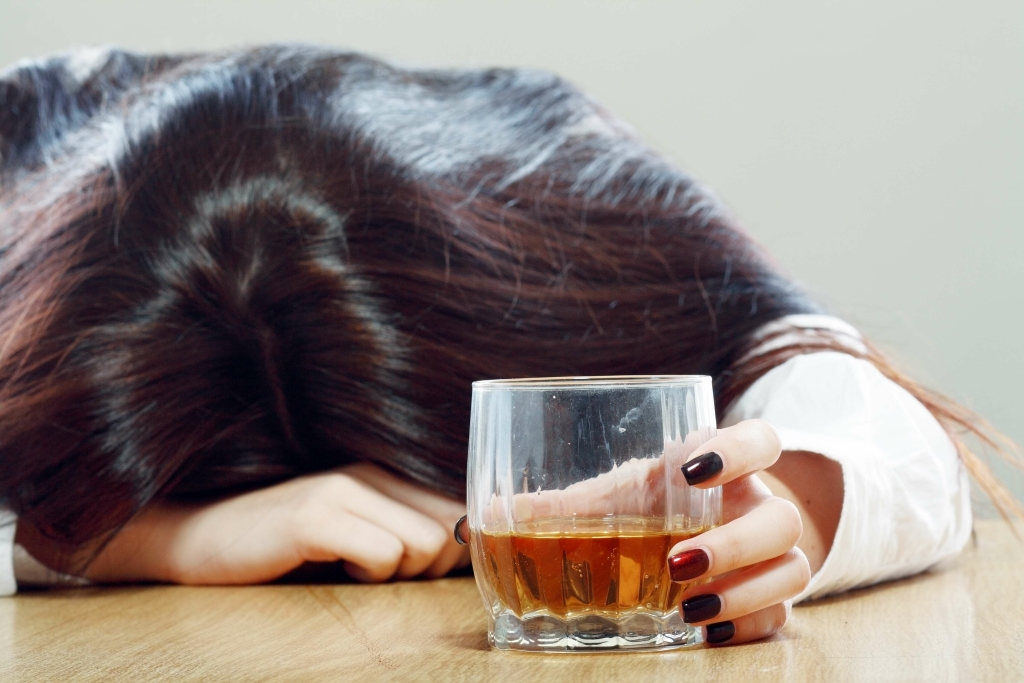
- Alcohol can interfere with sleep patterns, increase irritability, and impair emotional regulation, all of which can worsen PTSD symptoms.
Recent Findings
The studies that examined medications targeting PTSD all tested selective serotonin reuptake inhibitors (SSRIs) and none observed a between-group difference in AUD or PTSD outcomes, although trends in PTSD improvement were observed in participants treated with sertraline. Finally, several studies investigated medications that were hypothesized to treat both AUD and PTSD (e.g., prazosin and aprepitant), with no clear benefit on AUD or PTSD outcomes. A number of factors may have influenced the findings noted in this review, including gender differences, veteran vs. drug addiction treatment civilian status, and the various behavioral platform employed.